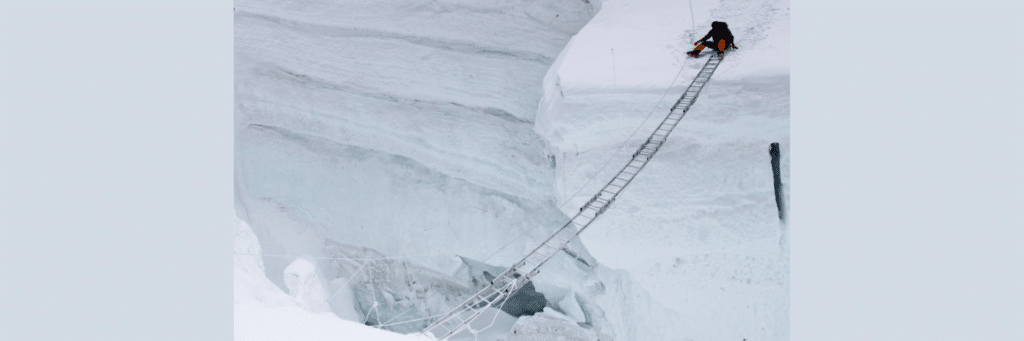
How Hard Is It to Climb Mount Everest?
How hard is it to climb Mount Everest? Most people picture the summit, but the real challenge is everything required to reach it—and return safely.
People imagine the summit first. Standing alone on top of Mount Everest summit at nearly 29,000 feet. The highest point on Earth. The horizon curves beneath you. Wind moves slowly across the ridge. The world feels distant and quiet.
There’s no crowd. No cheering. Just thin air and a few square feet of snow beneath your boots.
But the summit is only a moment.
The reality is that climbing Mount Everest is not one obstacle. It’s a long chain of systems that all have to hold together—training, acclimatization, logistics, judgment, and the ability to keep making sound decisions when fatigue and altitude start removing margin.
That’s what makes Everest difficult.
I summited Mount Everest solo and survived a blind descent through the Death Zone, an experience that revealed how thin the margin becomes at extreme altitude.
Why Climbing Mount Everest is so Difficult
Many people assume Everest is difficult simply because it is tall. The real challenge is how the environment slowly degrades your ability to function.
Above about 20,000 feet, the body begins to operate with significantly less oxygen. Every movement takes more effort. Recovery slows. Sleep becomes shallow and inconsistent.
Above 26,000 feet, climbers enter what is known as the Death Zone, where the body can no longer acclimatize.
At those elevations the environment introduces several compounding factors:
Altitude
Air pressure is so low that each breath delivers far less oxygen to the bloodstream.
Oxygen deprivation
Even with supplemental oxygen, cognitive performance slows. Judgment and coordination can degrade quickly.
Cold
Temperatures regularly drop well below zero, increasing the risk of frostbite and equipment failure.
Wind
High winds can halt summit attempts entirely and make simple movements exhausting.
Fatigue
Climbers often operate for long periods with limited sleep and minimal recovery.
These factors combine to create an environment where small mistakes can quickly escalate.
The Physical Demands of Climbing Everest
Climbing Everest requires strong physical conditioning, but not necessarily the type of strength people expect.
Everest is less about explosive power and more about sustained endurance over long periods of time.
Climbers spend weeks moving between camps, often carrying heavy loads at altitude while wearing bulky cold-weather equipment. A single climbing day can involve many hours of slow movement across steep snow, ice, and rock.
Endurance becomes the deciding factor.
Climbers must maintain:
- Long-duration cardiovascular endurance
- Strength while carrying heavy packs
- The ability to climb efficiently at high altitude
- The discipline to move steadily for hours without rushing
Physical preparation often includes years of mountaineering experience and high-altitude climbs before Everest is even considered.
The Mental Pressure on Everest
While physical conditioning is essential, the mental pressure on Everest is often what separates successful climbers from those who turn around.
The mountain introduces a unique combination of stressors:
- Isolation from normal support systems
- Weeks of exposure to extreme conditions
- Thin oxygen that affects clarity and decision-making
- Responsibility for every decision made on the mountain
Above high camp, climbers often move slowly through the night toward the summit. The environment is quiet and unforgiving. Headlamps illuminate only a few steps ahead.
In these conditions, hesitation can waste valuable time, while overconfidence can push climbers into dangerous terrain or deteriorating weather.
Everest demands steady judgment when the body and mind are already under strain.
The Reality of the Death Zone
Above 26,000 feet, climbers enter the Death Zone.
At this altitude the human body cannot recover. Oxygen levels are so low that prolonged exposure begins to deteriorate physical and cognitive function.
Even simple actions become deliberate.
Climbers may experience:
- Slowed reaction times
- Impaired judgment
- Blurred vision
- Extreme fatigue
The summit push often requires climbers to move through this environment for many hours.
Every step matters. Every decision carries weight.
The margin for error becomes extremely small.
How Many People Climb Mount Everest Each Year?
Each year, several hundred climbers attempt to reach the summit of Mount Everest. While the number of successful ascents has increased with modern logistics and forecasting, the mountain still demands careful preparation, acclimatization, and judgment. Even experienced climbers must respect the altitude and conditions on every attempt.
Training and Preparation for Everest
Climbing Mount Everest is rarely the first major expedition a climber attempts.
Most climbers spend years building experience on progressively higher mountains around the world. This experience helps develop the technical skills, endurance, and judgment required for high-altitude environments.
Preparation for Everest typically includes:
- Extensive high-altitude mountaineering experience
- Months or years of physical training
- Logistics planning for a multi-month expedition
- Coordination with guides, Sherpa teams, and support staff
Even with preparation, the mountain can still introduce variables that no training fully eliminates.
Weather, altitude response, and physical health can change quickly.
What Most People Don’t Expect About Everest
Many people imagine Everest as a single climb that lasts a few days.
In reality, the expedition usually takes six to eight weeks.
Climbers spend this time slowly acclimatizing to the altitude through a series of rotations between camps on the mountain.
A typical timeline includes:
- Establishing base camp
- Multiple acclimatization climbs higher on the mountain
- Returning to lower elevations for recovery
- Waiting days or weeks for a safe weather window
Only when conditions align do climbers begin the summit push.
Even then, reaching the summit is only half the journey.
Every climber still has to descend safely.
Lessons From the Descent
The summit is the most visible moment of an Everest climb, but the descent is where many accidents occur.
Climbers often reach the summit after many hours of climbing in thin air. Fatigue is high. Oxygen supplies are limited. Weather can begin to change.
Descending requires the same focus and discipline as the ascent, but with a body that is already exhausted.
The mountain does not recognize the achievement of reaching the top.
It only responds to the decisions made on the way down.
For many climbers, the real test of Everest begins after the summit.
The Truth About Climbing Mount Everest
So how hard is it to climb Mount Everest?
The difficulty isn’t defined by a single obstacle.
It’s defined by the accumulation of many variables—altitude, fatigue, weather, judgment, and preparation—all interacting at the highest point on Earth.
Everest isn’t conquered by strength alone.
It is managed through preparation, discipline, and calm decisions when the environment starts stripping away margin.
The summit may last a few minutes.
The systems that get you there—and bring you safely back down—are built over years.
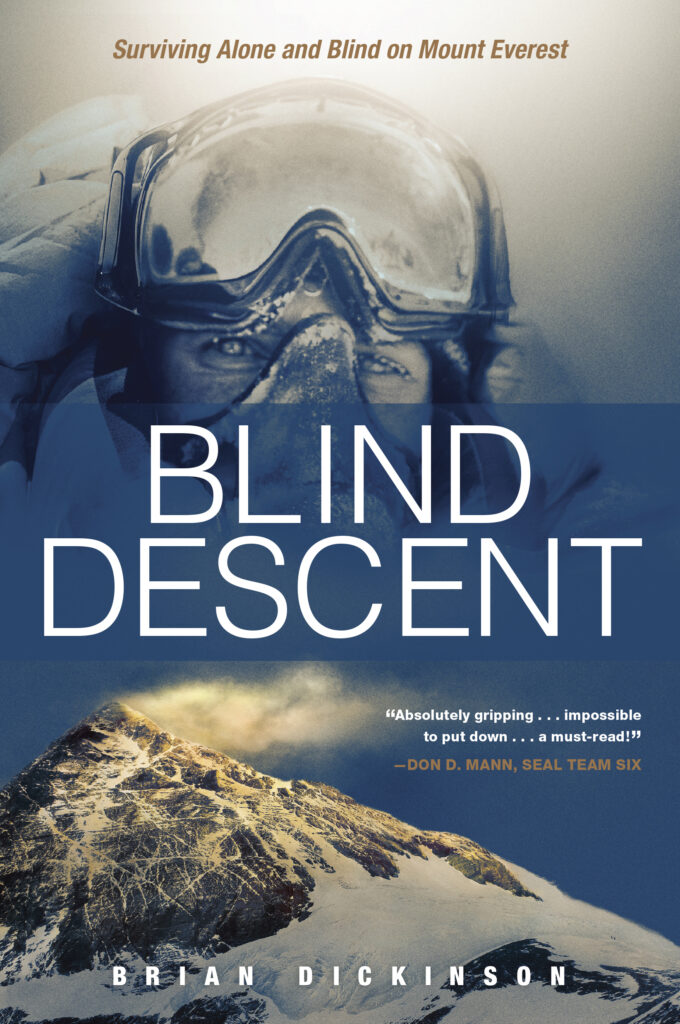
Blind Descent: Surviving Alone and Blind on Mount Everest
Amazon customers find “Blind Descent” to be a compelling and well-written book that tells a true story of determination and faith. They describe it as captivating and thrilling from start to finish, with an emotional account of fortitude and courage. Customers appreciate that the book is informative and provides valuable life lessons. For example, one customer notes how it details a technical climb, while another highlights how it provides insights into mountain climbing.
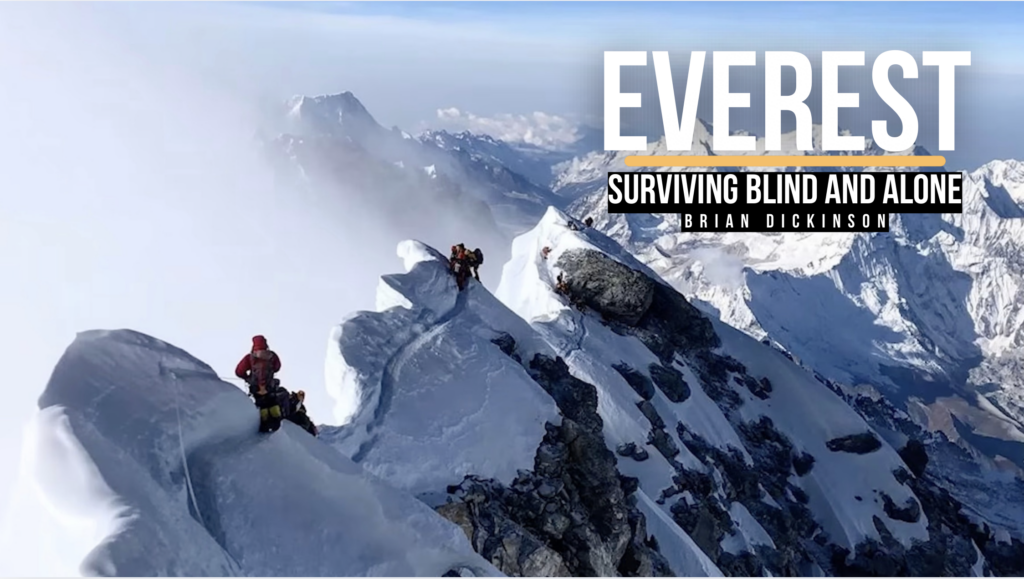
Climbing Everest Bottom to Top – YouTube
This playlist features raw expedition footage from Mount Everest, documenting the climb, the summit, and the descent from the highest point on Earth. It includes firsthand visuals and reflections from Brian Dickinson, a former U.S. Navy Aviation Rescue Swimmer who completed a solo summit and survived a blind descent through the Death Zone.
Related:
• What Is the Death Zone on Mount Everest?
• Navy Rescue Swimmer Training Requirements
• Calm in the Chaos Podcast
• Everest Expedition Footage